

Introduction
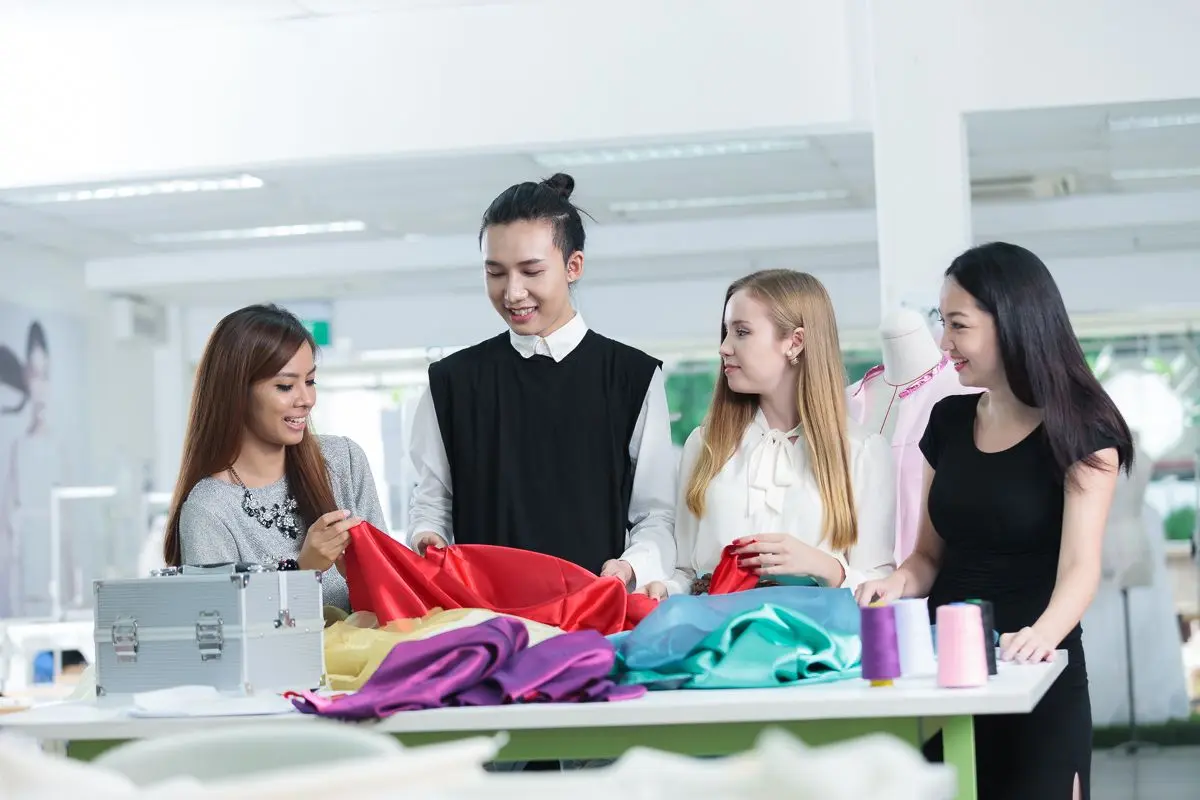
The fashion industry continues to grow every year, and behind every successful clothing brand is a reliable fashion factory. From small local businesses to global fashion labels, factories play a major role in producing quality clothing, accessories, and apparel for consumers around the world. Whether you are a beginner planning to launch a clothing brand or someone interested in understanding the fashion manufacturing process, learning about a fashion factory is essential.
A fashion factory is more than a place where clothes are stitched together. It is a complete production center where designers, tailors, quality inspectors, machine operators, and packaging teams work together to create finished garments. Modern factories use advanced machines, skilled workers, and organized systems to produce fashionable products quickly and efficiently.
Today, the demand for fast production, trendy styles, and affordable clothing has made fashion factories more important than ever. Businesses depend on these factories to maintain quality, manage large orders, and meet customer expectations on time. In addition, many factories now focus on sustainable production methods, eco-friendly fabrics, and ethical working conditions.
What is Fashion Factory?
A fashion factory is a manufacturing facility where clothing and fashion-related products are designed, cut, stitched, finished, packed, and prepared for sale. These factories produce different types of garments such as shirts, jeans, dresses, jackets, sportswear, uniforms, and accessories.
Fashion factories can vary in size and specialization. Some factories focus on luxury fashion items, while others handle mass production for retail brands. There are also factories that specialize in eco-friendly clothing or customized apparel.
The main purpose of a fashion factory is to transform raw materials into finished products. This process involves several stages, including fabric selection, pattern making, cutting, stitching, printing, embroidery, quality control, and packaging.
Modern fashion factories often use automated machines and software to improve speed and accuracy. However, skilled human workers still play an important role in maintaining design quality and ensuring garments meet customer expectations.
Why is Fashion Factory Important?
Fashion factories are the backbone of the clothing industry. Without them, fashion brands would struggle to produce garments at scale. These factories help businesses turn ideas into real products that can be sold in local and international markets.
One major reason why a fashion factory is important is efficiency. Factories allow businesses to produce large quantities of clothing within a short time. This helps brands meet seasonal demand and launch new collections quickly.
Another important factor is quality control. Professional factories follow specific production standards to ensure each product meets customer expectations. They inspect fabrics, stitching, sizing, and finishing before products are shipped.
Fashion factories also create employment opportunities. Thousands of workers depend on the fashion manufacturing industry for income and career growth. Designers, machine operators, quality inspectors, and logistics staff all contribute to the production process.
Detailed Step-by-Step Guide
Step 1: Planning and Research
The first step in fashion manufacturing is planning. Businesses need to identify their target audience, clothing style, market trends, and production budget.
Research helps brands understand customer preferences and competitor strategies. For example, a sportswear brand may focus on moisture-resistant fabrics and comfortable designs, while a luxury brand may prioritize premium materials and elegant stitching.
During this stage, businesses also decide whether to work with local or overseas factories.
Step 2: Designing the Product
Once research is complete, designers create sketches and digital concepts for the clothing collection. These designs include measurements, fabric details, colors, and style elements.
Fashion designers often use computer software to create professional garment illustrations. This helps factories understand the design clearly before production begins.
Design approval is important because changes during manufacturing can increase costs and delays.
Step 3: Selecting Fabrics and Materials
Fabric selection plays a major role in product quality and customer satisfaction. Factories source fabrics based on durability, comfort, appearance, and budget.
Common materials include:
- Cotton
- Polyester
- Denim
- Silk
- Linen
- Wool
- Spandex
Accessories such as zippers, buttons, labels, and threads are also selected during this stage.
Sustainable fashion brands may choose organic or recycled materials to support eco-friendly production.
Step 4: Pattern Making
Pattern making involves creating templates for garment pieces. These templates guide the cutting and stitching process.
Professional pattern makers ensure measurements are accurate and designs fit properly. Digital pattern-making software is commonly used in modern fashion factories because it improves precision and reduces waste.
Patterns are usually tested through sample garments before mass production begins.
Step 5: Sample Production
Before producing large quantities, factories create samples to test design quality and fit.
Sample garments help brands identify issues related to sizing, stitching, fabric performance, and overall appearance. Adjustments are made if necessary.
This stage is critical because it prevents costly mistakes during mass production.
Step 6: Fabric Cutting
Once samples are approved, the fabric cutting process begins. Factories use cutting machines or manual tools to cut fabric according to the approved patterns.
Accurate cutting is important because even small errors can affect garment fit and increase material waste.
Large factories often use automated cutting systems to improve speed and consistency.
Step 7: Stitching and Sewing
The stitching stage is where garments begin to take shape. Skilled workers use industrial sewing machines to assemble fabric pieces.
Different sewing techniques are used depending on the garment type. For example, sportswear may require stretch stitching, while denim products may need reinforced seams.
Quality stitching improves durability, comfort, and appearance.
Step 8: Printing and Embroidery
Many clothing items include printed graphics, logos, or embroidery designs.
Factories use screen printing, digital printing, heat transfer, or embroidery machines to add decorative elements. This stage adds uniqueness and branding to garments.
Proper quality checks ensure designs remain durable after washing.
Step 9: Quality Control
Quality control is one of the most important stages in a fashion factory.
Inspectors examine garments for defects such as:
- Loose stitching
- Fabric damage
- Incorrect sizing
- Color mismatches
- Printing errors
- Missing accessories
Products that fail quality checks are repaired or rejected.
Strong quality control helps brands maintain customer trust and reduce product returns.
Step 10: Finishing and Packaging
After inspection, garments go through finishing processes such as ironing, folding, tagging, and packaging.
Packaging protects products during transportation and creates a professional presentation for customers.
Many fashion factories now use eco-friendly packaging materials to reduce environmental impact.
Step 11: Shipping and Distribution
The final step is shipping products to warehouses, stores, or customers.
Factories coordinate with logistics companies to ensure timely delivery. Proper inventory management helps businesses avoid delays and stock shortages.
Reliable shipping improves customer satisfaction and business reputation.
Benefits of Fashion Factory
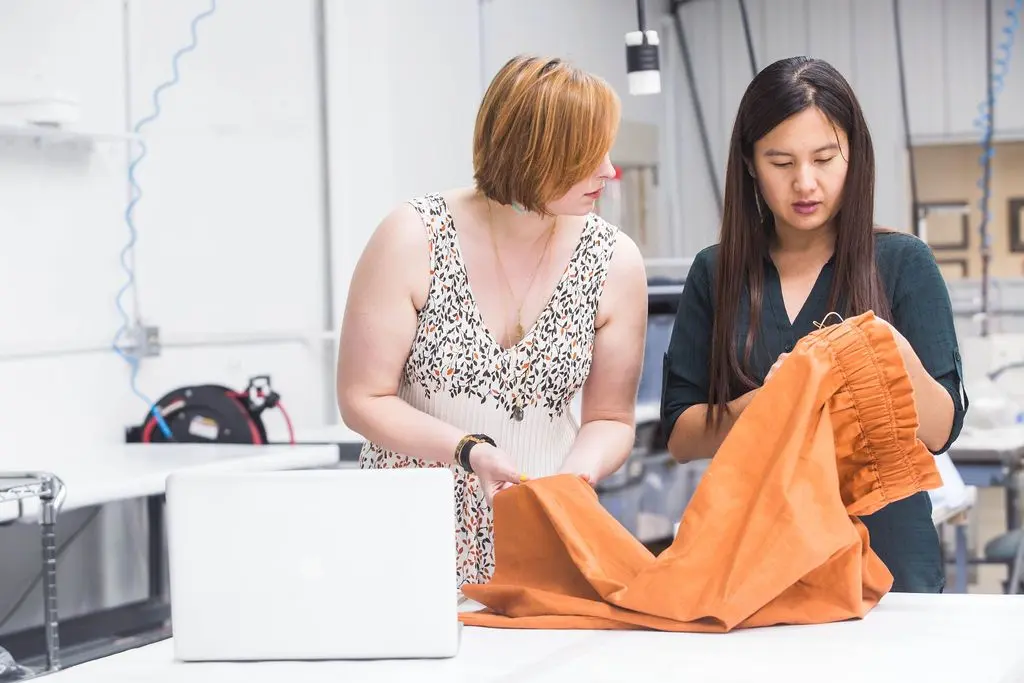
Working with a professional fashion factory offers several advantages for clothing brands and businesses.
- Large-scale production capacity
- Faster manufacturing process
- Consistent product quality
- Access to skilled workers
- Cost-effective production methods
- Better quality control systems
- Advanced manufacturing technology
- Easier inventory management
- Improved business scalability
- Professional packaging and finishing
- Access to sustainable production options
- Ability to meet market demand quickly
Fashion factories also help businesses focus on marketing and brand growth while manufacturing experts handle production.
Disadvantages / Risks
Although fashion factories provide many benefits, there are also some risks and challenges involved.
- High initial investment costs
- Production delays during busy seasons
- Quality issues if inspections are weak
- Communication problems with overseas factories
- Dependence on supplier reliability
- Environmental concerns from waste production
- Labor management challenges
- Rising material and shipping costs
- Risk of design copying or intellectual property issues
- Difficulty maintaining consistent standards across large orders
Businesses must carefully choose reliable manufacturing partners to reduce these risks.
Common Mistakes to Avoid
Many beginners make mistakes when working with a fashion factory. Avoiding these errors can save money, time, and effort.
Ignoring Quality Checks
Some businesses focus only on fast production and ignore quality control. This can result in defective products and unhappy customers.
Always inspect samples and finished products carefully.
Choosing the Cheapest Factory
Low prices may seem attractive, but extremely cheap factories often compromise on quality or delivery time.
Instead of choosing based only on cost, evaluate experience, reviews, communication, and production standards.
Poor Communication
Misunderstandings about designs, measurements, or deadlines can create major production problems.
Provide clear instructions, detailed documents, and regular updates to avoid confusion.
Skipping Sample Testing
Mass production without testing samples is risky. Small design problems can become expensive mistakes when thousands of products are produced.
Always approve samples before full production.
Ignoring Sustainability
Modern customers care about ethical and eco-friendly fashion practices.
Brands that ignore sustainability may lose customer trust and damage their reputation.
Unrealistic Deadlines
Rushing production can reduce quality and increase stress for workers.
Allow enough time for manufacturing, inspections, packaging, and shipping.
Weak Inventory Planning
Poor inventory management can lead to overproduction or stock shortages.
Use proper forecasting and sales analysis to manage inventory effectively.
FAQs
What does a fashion factory do?
A fashion factory manufactures clothing and fashion products through processes such as fabric cutting, stitching, printing, quality control, packaging, and shipping.
How do fashion factories maintain quality?
Fashion factories maintain quality through inspections, sample testing, skilled labor, advanced machines, and strict quality control systems.
Can small businesses work with a fashion factory?
Yes, many fashion factories accept small production orders for startups and independent clothing brands. However, minimum order requirements may vary.
What is the difference between a local and overseas fashion factory?
Local factories usually offer easier communication and faster shipping, while overseas factories may provide lower production costs and larger manufacturing capacity.
Why is sustainable fashion manufacturing important?
Sustainable manufacturing reduces environmental damage, lowers waste, improves worker conditions, and attracts eco-conscious customers.
How long does clothing production take?
Production time depends on design complexity, order size, material availability, and factory workload. Small orders may take a few weeks, while large orders can require several months.
What should I check before choosing a fashion factory?
You should evaluate the factory’s experience, production capacity, communication quality, pricing, certifications, sample quality, and customer reviews.
Are automated machines replacing workers in fashion factories?
Automation improves speed and efficiency, but skilled workers are still essential for design accuracy, quality control, and detailed craftsmanship.
Expert Tips & Bonus Points
Building a successful relationship with a fashion factory requires careful planning and smart decision-making.
Start by researching multiple factories before making a final choice. Compare pricing, quality standards, communication methods, and delivery timelines.
Always request product samples before placing large orders. Samples help identify design flaws and quality issues early.
Create detailed technical documents for every product. Include measurements, fabric information, stitching instructions, color references, and packaging details.
Maintain regular communication throughout the production process. Frequent updates help solve problems before they become serious.
Visit the factory if possible. Physical inspections provide a better understanding of working conditions, production systems, and quality standards.
Focus on long-term partnerships instead of switching factories frequently. Reliable manufacturing relationships improve consistency and trust.
Invest in branding and packaging. High-quality packaging creates a professional impression and increases customer satisfaction.
Monitor fashion trends regularly. Consumer preferences change quickly, so staying updated helps businesses remain competitive.
Use inventory management software to track production, sales, and stock levels efficiently.
Conclusion
A fashion factory is one of the most important parts of the modern clothing industry. It transforms creative ideas into real products through organized manufacturing processes that include designing, cutting, stitching, quality control, packaging, and distribution. Whether a business is launching a small clothing line or managing a large fashion brand, working with the right factory can greatly improve efficiency, product quality, and customer satisfaction.
Modern fashion factories combine skilled labor with advanced technology to meet growing market demands. They help businesses produce clothing faster, reduce manufacturing costs, and maintain consistent standards. At the same time, factories face challenges such as rising costs, sustainability concerns, and quality management issues.
Understanding how a fashion factory works allows businesses to make smarter decisions when selecting manufacturing partners and managing production. By avoiding common mistakes, maintaining clear communication, and focusing on quality, brands can build strong relationships with reliable factories.
