

Introduction
A fashion designer is a creative professional who designs clothing, accessories, and footwear by combining artistic vision with technical skills. The fashion industry is one of the most dynamic and competitive fields in the world, offering endless opportunities for those who are passionate about style, trends, and creativity. Becoming a successful fashion designer requires dedication, patience, and a strong understanding of design principles, fabrics, colors, and market trends. In today’s digital era, fashion designers are not limited to traditional fashion houses; they can also build personal brands, work with global companies, or launch independent clothing lines. This career attracts individuals who love innovation and enjoy expressing ideas through visual aesthetics. However, success in this field does not come overnight. It requires continuous learning, practice, and adaptability to changing fashion trends. In this article, we will explore everything about becoming a fashion designer, including skills, importance, step-by-step guidance, benefits, risks, common mistakes, and expert tips to help you build a strong foundation in this exciting profession and achieve long-term success in the competitive fashion world globally.
What is a Fashion Designer?
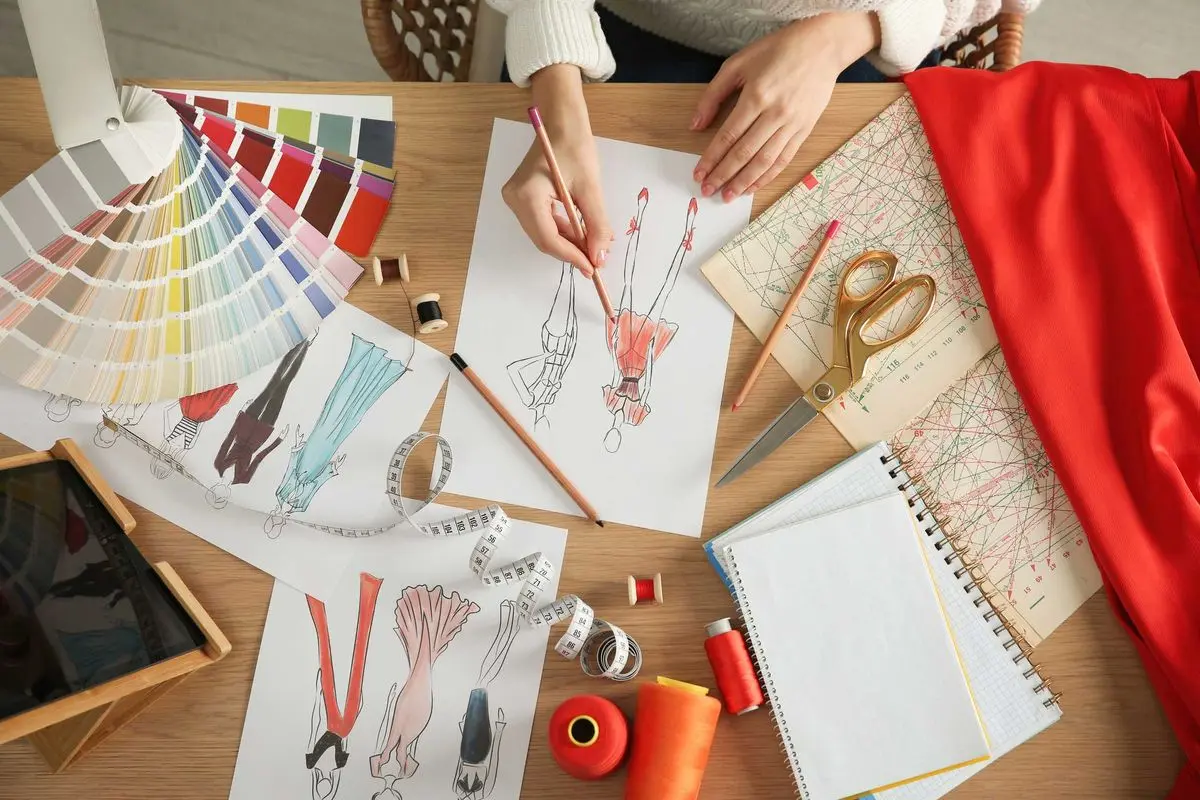
A fashion designer is a professional who creates original clothing, accessories, and footwear designs based on creativity, market demand, and cultural trends. They sketch ideas, select fabrics, choose colors, and oversee the production process to bring their designs to life. Fashion designers may work in different sectors such as luxury fashion, ready-to-wear clothing, sportswear, or even costume design for films and theater. Their work is not just about aesthetics but also functionality, comfort, and market appeal. A fashion designer often collaborates with tailors, textile experts, marketers, and manufacturers to ensure that the final product matches their vision. In modern times, digital tools and design software have also become essential parts of the profession. Designers now use advanced technology to create 3D models and virtual prototypes before production. This profession blends creativity with business strategy, making it both artistic and commercial in nature. A successful fashion designer understands customer preferences, global fashion trends, and seasonal changes, ensuring their designs stay relevant and desirable in a fast-changing industry.
Why is Fashion Designing Important?
Fashion designing plays a major role in shaping culture, identity, and lifestyle. Clothing is not just a basic need; it is also a form of self-expression and communication. Fashion designers influence how people present themselves in society, from casual wear to formal attire. The industry also contributes significantly to the global economy by generating employment opportunities in design, production, marketing, and retail sectors. Fashion designing encourages creativity and innovation, allowing designers to experiment with colors, textures, and styles. It also reflects cultural heritage and traditions, preserving artistic values while adapting to modern trends. Additionally, fashion designers help brands build identity and connect with customers through unique designs. Without fashion designers, the clothing industry would lack originality and diversity. They also play an important role in sustainability by promoting eco-friendly materials and ethical production practices. In a rapidly changing world, fashion designers help people stay confident, stylish, and relevant, making this profession highly valuable and impactful across industries and societies worldwide in modern times.
Detailed Step-by-Step Guide to Become a Fashion Designer
Step 1: Learn the Basics of Design
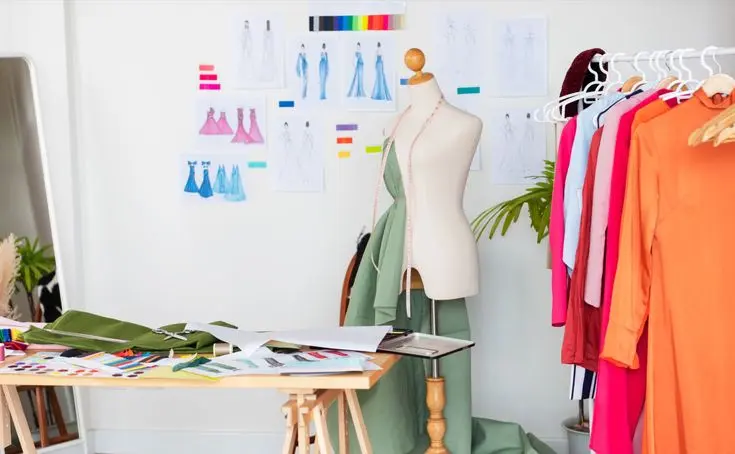
Start by understanding fundamental design principles such as color theory, sketching, fabric types, and pattern making. Practice drawing regularly to improve your creativity and visualization skills.
Step 2: Get Formal Education
Although not mandatory, enrolling in a fashion design course or degree program helps build strong technical knowledge. Institutions teach garment construction, textile science, and digital design tools.
Step 3: Develop Technical Skills
Learn to use design software like Adobe Illustrator and CAD programs. These tools are essential for creating professional fashion illustrations and production-ready designs.
Step 4: Build a Strong Portfolio
Create a collection of your best designs to showcase your creativity. A portfolio is crucial when applying for jobs or internships in the fashion industry.
Step 5: Gain Practical Experience
Work as an intern or assistant in fashion houses, boutiques, or design studios. Practical experience helps you understand real-world industry challenges.
Step 6: Understand Market Trends
Study fashion trends, customer behavior, and seasonal changes. This knowledge helps you design products that meet market demand and attract buyers.
Step 7: Start Your Own Brand or Career
After gaining experience, you can either work with established brands or launch your own fashion label. Building a brand requires marketing, networking, and consistent creativity.
Benefits of Fashion Designing
- Offers creative freedom to express artistic ideas
- Provides global career opportunities in various industries
- Allows you to build your own brand and identity
- High earning potential with experience and reputation
- Opportunity to work with celebrities and top brands
- Continuous learning and exposure to new trends
- Flexibility to work independently or in teams
Disadvantages / Risks of Fashion Designing
- Highly competitive industry with strong competition
- Requires long working hours and tight deadlines
- Financial instability in early career stages
- Constant pressure to stay updated with trends
- Risk of design rejection and criticism
- High investment needed for starting a brand
- Stressful environment during fashion seasons
Common Mistakes to Avoid
Many beginners make mistakes that slow down their growth in fashion designing. One common mistake is ignoring market research and focusing only on creativity without understanding customer needs. Another mistake is not building a strong portfolio, which is essential for career opportunities. Some designers also fail to keep up with changing trends, making their work outdated. Overcomplicating designs can also reduce practicality and market appeal. Poor time management is another issue that affects productivity and deadlines. Beginners often underestimate the importance of networking, which is crucial for industry connections. Lastly, not practicing regularly can limit skill development and creative growth. Avoiding these mistakes can significantly improve your chances of success in the fashion industry.
FAQs
1. What qualifications do I need to become a fashion designer?
You can become a fashion designer through formal education like a degree or diploma in fashion design, but creativity and skill development are equally important. Many successful designers are self-taught as well.
2. Is fashion designing a good career option?
Yes, fashion designing is a rewarding career for creative individuals. It offers global opportunities, high earning potential, and the chance to build your own brand or work with top companies.
3. How long does it take to become a fashion designer?
It usually takes 2–4 years with formal education, plus additional years of experience to establish yourself professionally in the industry.
4. What skills are important for fashion designers?
Key skills include creativity, sketching, sewing knowledge, color coordination, communication, and proficiency in design software.
5. Can I become a fashion designer without drawing skills?
Yes, but basic drawing skills are helpful. Many designers use digital tools to create designs even if their hand sketching is not strong.
6. How much do fashion designers earn?
Earnings vary depending on experience, location, and brand reputation. Beginners earn less, while experienced designers and brand owners can earn significantly high incomes.
Expert Tips & Bonus Points
To succeed in fashion designing, always stay updated with global fashion trends and industry news. Build a unique design identity that sets you apart from competitors. Networking is essential, so connect with professionals, photographers, and influencers. Always focus on quality rather than quantity when building your portfolio. Experiment with different styles, fabrics, and techniques to expand your creativity. Attend fashion shows and exhibitions to gain inspiration and industry insights. Most importantly, stay consistent and patient, as success in fashion design takes time and dedication.
Conclusion
Becoming a fashion designer is a journey that combines creativity, passion, and technical expertise. It is not just about designing clothes but about creating a visual identity that influences culture and lifestyle. From learning basic skills to building a strong portfolio and understanding market trends, every step plays a crucial role in shaping a successful career. The fashion industry offers immense opportunities, but it also demands dedication, hard work, and continuous learning. Challenges such as competition and pressure are part of the journey, but they also help designers grow stronger and more innovative. Whether you aim to work for a top fashion house or launch your own brand, consistency and creativity are the keys to success. With the right mindset and skills, anyone can turn their passion for fashion into a rewarding and long-lasting career in this ever-evolving industry and achieve global recognition and personal satisfaction.
