

Introduction
The modern high and tight haircut is one of the cleanest, sharpest, and easiest men’s hairstyles to understand. Many beginners like it because it does not need heavy styling, while intermediate grooming lovers enjoy it because small changes can make it look classic, athletic, professional, or edgy.
This haircut started with military influence, but today it has moved far beyond that image. Barbers now blend it with fades, textured crops, lineups, buzzed tops, short quiffs, and beard shaping. As a result, the modern high and tight haircut can work for students, office workers, athletes, and anyone who wants a low-maintenance style with strong presence.
However, it is important to understand the cut before sitting in the barber chair. The wrong top length, fade height, or neckline can change the final result completely. This guide explains the style in simple language and helps you choose a version that matches your face shape, hair type, lifestyle, and confidence level.
What is Modern High and Tight Haircut?
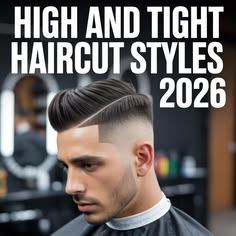
The modern high and tight haircut is a short men’s haircut where the sides and back are clipped very close to the skin, while the top is left slightly longer. The “high” part means the short area rises high on the head, usually above the temples. The “tight” part means the sides stay clean, narrow, and close.
The top may be a buzz cut, crew cut, textured crop, short fringe, or mini quiff. They are cut tight enough to make the head shape look sharper and the top look more defined.
The classic version was very strict, with almost shaved sides and a small strip of hair on top. The modern version is more flexible. You can ask for a skin fade, mid skin fade, tapered finish, soft blend, hard part, or natural neckline. This makes the modern high and tight haircut easier to personalize.
For example, a man with thick straight hair may choose a textured top with a high fade. Someone with curly hair may keep short curls on top and tight sides. A person who wants an office-friendly look may ask for a less dramatic fade and a clean scissor finish on top.
Why is Modern High and Tight Haircut Important?
The modern high and tight haircut is important because it solves a common grooming problem: how to look clean without spending too much time styling. Many people want a haircut that feels fresh in the morning, stays neat during the day, and still looks intentional in photos, meetings, or casual outings.
A regular buzz cut can look plain on some people, while a simple fade may not give enough structure. The high and tight adds shape, contrast, and confidence. It frames the face, highlights the jawline, and gives a strong first impression.
Another reason it is important is practicality. In hot weather, active jobs, gym routines, or busy school schedules, longer hair can become annoying. This cut keeps the sides cool and easy to manage. At the same time, the top gives enough room for personality.
The style is also useful for men who are learning how to talk to a barber. Once you understand terms like fade height, guard number, top length, texture, and neckline, you can explain what you want clearly. That reduces mistakes.
Finally, this haircut has become popular because it fits modern fashion. It works with streetwear, uniforms, formal outfits, casual shirts, and beards. A modern high and tight haircut can look sharp without looking overdone.
Detailed Step-by-Step Guide
You need to think about face shape, hair texture, barber communication, styling, and maintenance. Use the steps below as a practical guide before your next appointment.
Step 1: Decide Your Overall Look
Start by choosing the mood you want. Do you want a strict military style, a clean professional style, or a trendy barbershop finish? This decision affects everything else.
A modern look may include a skin fade, textured top, crisp hairline, and blended beard. A softer version keeps the sides tight but not fully shaved.
Ask yourself:
- Do I want a bold or subtle result?
- Do I need it to look professional at work or school?
- Am I comfortable showing more scalp on the sides?
- Do I want to style the top daily or leave it natural?
For beginners, a slightly softer version is safer. You can always go shorter next time, but you cannot add length back immediately.
Step 2: Choose the Right Fade Height
Fade height is one of the most important choices. A high fade starts near the upper sides of the head and creates strong contrast. A skin fade removes hair down to the skin at the lowest point. A taper fade keeps the edges neat without exposing too much scalp.
For a true high and tight, the fade should sit high. Still, your barber can adjust it to suit your head shape.
Popular options include:
- High skin fade for a bold, clean, modern look.
- High taper fade for a neat but less dramatic style.
- Drop fade for a curved shape around the back of the head.
- Burst fade for a more creative version near the ears.
The fade should make the top stand out without looking unfinished.
Step 3: Pick the Top Length
The top length changes the personality of the haircut. A very short top gives a tough, simple look. A slightly longer top gives more styling options.
Common top choices include:
- Number 2 or 3 buzz on top for easy maintenance.
- Short crew cut for a clean everyday style.
- Textured crop for a modern casual look.
- Short fringe for a youthful style.
- Small quiff for a sharper, styled finish.
If your hair is thin, avoid leaving the top too long, because it may look flat or uneven.
Step 4: Match the Cut to Your Face Shape
The modern high and tight haircut often makes the face look longer and sharper, so face shape matters.
For round faces, a high fade with a little height on top can create a slimmer appearance. For square faces, the cut usually works very well because it highlights strong angles. For oval faces, most versions look balanced. For long faces, avoid too much height on top, because it may make the face appear longer.
If you are unsure, ask your barber to keep the top controlled and avoid extreme contrast on the first try.
Step 5: Explain the Cut Clearly to Your Barber
Do not simply say, “Give me a high and tight.” Barbers may interpret that phrase differently.
Instead, say something like: “I want tight sides with a high fade, but keep the top around one inch with light texture.” You can also mention whether you want a skin fade, a number one fade, or a taper.
Helpful details to share:
- Fade height: high, high taper, or high skin fade.
- Top length: guard number, inches, or finger length.
- Top style: buzzed, textured, cropped, or brushed forward.
- Hairline: natural or sharp lineup.
- Neckline: tapered, squared, or natural.
Photos help too.
Step 6: Ask for Texture When Needed
Barbers create texture with scissors, thinning shears, point cutting, or clipper-over-comb work.
If your hair sticks straight up, texture can soften the top. If your hair is dense, it can reduce weight. If your hair is wavy, texture can make the style look natural and relaxed.
However, too much texture can make thin hair look weaker. So the barber should adjust the method to your hair type. Ask for “light texture” first if you are trying this haircut for the first time.
Step 7: Style It at Home
Still, the top needs a little care if you want a polished look.
Rub it between your palms, then apply it through dry or slightly damp hair. Push the top forward for a crop, upward for a small quiff, or sideways for a cleaner office look.
Avoid heavy gel unless you want shine. Too much product can make short hair look greasy. Start with a pea-sized amount and add more only if needed.
A simple routine:
- Towel dry your hair.
- Comb or finger-style the top.
- Apply a small amount of product.
- Shape the front.
- Check the sides and hairline.
Step 8: Maintain the Haircut
The high and tight grows out faster than longer styles because the short sides lose sharpness quickly. If you want it to stay fresh, visit your barber every two to three weeks.
However, after a month, the sides may start looking round and less defined.
If you have a beard, trim it so it connects smoothly with the fade. A messy beard can make a sharp haircut look unbalanced.
Choosing Between Classic and Modern Versions
The classic version is simple, direct, and very short. It suits people who want a disciplined look with almost no styling. The modern version gives more room for personality because the top can be textured, brushed forward, or lightly lifted.
Choose the classic version if you prefer speed, simplicity, and a sharper military-inspired finish. Choose the modern version if you want balance between clean grooming and everyday fashion.
Best Hair Types for the Style
Straight hair gives the haircut a crisp outline and makes the top easy to control. Wavy hair adds natural movement, especially when the top is lightly textured. Curly hair can also work well if the curls are kept short and shaped neatly.
Fine hair should not be left too long on top because it may separate. Thick hair usually needs texture so it does not look bulky. Coarse hair may need a stronger matte product for control.
Benefits of Modern High and Tight Haircut
The modern high and tight haircut has many practical and style benefits, especially for people who want a clean look without a complicated routine.
- Low maintenance: The short sides and controlled top make daily grooming simple.
- Clean appearance: It gives a fresh, neat, and sharp look for many situations.
- Great for hot weather: Less hair on the sides helps you feel cooler.
- Strong face framing: It can make the jawline and cheekbones look more defined.
- Works with many outfits: It suits casual, sporty, business, and formal clothing.
- Flexible top styling: You can keep the top buzzed, textured, cropped, or slightly lifted.
- Good for active lifestyles: It stays practical for gym, sports, work, and travel.
- Easy barber explanation: Once you know the fade and top length, it is simple to request again.
- Pairs well with beards: A blended beard can make the whole look more polished.
- Timeless appeal: It has classic roots but still feels current when styled well.
For example, an office worker may choose a high taper with a short crew top, while a student may choose a textured crop.
Disadvantages / Risks
Knowing the possible risks helps you make a smarter choice.
- It exposes the scalp: Very short sides can show bumps, scars, dryness, or uneven skin tone.
- It needs regular trims: The sharp look fades quickly as the sides grow.
- It may feel too bold: Beginners may need time to adjust to the strong contrast.
- It can highlight head shape: If the fade is too high, it may make certain head shapes look rounder or longer.
- Limited correction options: If the top is cut too short, you must wait for regrowth.
- Not always workplace-friendly: Some strict workplaces may prefer a softer taper.
- Barber skill matters: A poor blend or uneven fade is easy to notice.
- Sun exposure increases: Short sides can leave the scalp more exposed outdoors.
- Product mistakes show easily: Too much wax or gel can make the top look oily.
Ask for tight sides, but avoid going fully skin-close until you know the shape suits you.
Common Mistakes to Avoid
Haircuts depend on face shape, hair density, growth direction, and lifestyle. A photo is helpful, but it should be adapted to you.
The second mistake is going too short too fast. Many beginners ask for a skin fade and very short top, then feel uncomfortable afterward. Start with a number one or two on the sides if you are unsure.
The sides create the high and tight shape, but the top controls the personality. If the top is too flat, bulky, or uneven, the whole style can look unfinished.
Poor barber communication is also common. Always mention fade height, top length, and hairline preference. Saying “make it short” is too vague.
Do not forget maintenance. A high and tight can look excellent after a fresh cut, but it loses impact when the sides grow out. Plan your next trim before the style becomes messy.
Finally, avoid using too much product. Short hair needs control, not weight.
FAQs
1. Is the modern high and tight haircut good for beginners?
Yes, it can be a great choice for beginners because it is easy to maintain and simple to style. A high taper fade or slightly longer top gives you time to understand whether the look suits your face and comfort level.
2. How often should I get this haircut trimmed?
Most people should trim it every two to three weeks. The sides are very short, so even small growth can reduce the sharp effect. With a softer taper, you may stretch it to three or four weeks.
3. What should I ask my barber for?
Ask for tight sides with a high fade and a controlled top length. For example, you can say, “High skin fade on the sides, keep the top about one inch, and add light texture.” If you want a safer version, ask for a high taper instead of a skin fade.
4. Does this haircut work with curly hair?
Yes, it can look excellent with curly hair. The tight sides control bulk, while short curls on top add style and movement. Ask your barber to shape the curls naturally and avoid removing too much texture.
5. Can I wear this haircut in a professional setting?
Yes, Choose a neat high taper, clean neckline, and short crew-style top for a professional finish. A dramatic skin fade may be less suitable in conservative workplaces.
6. What face shape suits this haircut best?
Square and oval faces usually suit it very well. Round faces can also benefit. Long faces should avoid too much height on top, because that can make the face look even longer.
7. Is it the same as a fade haircut?
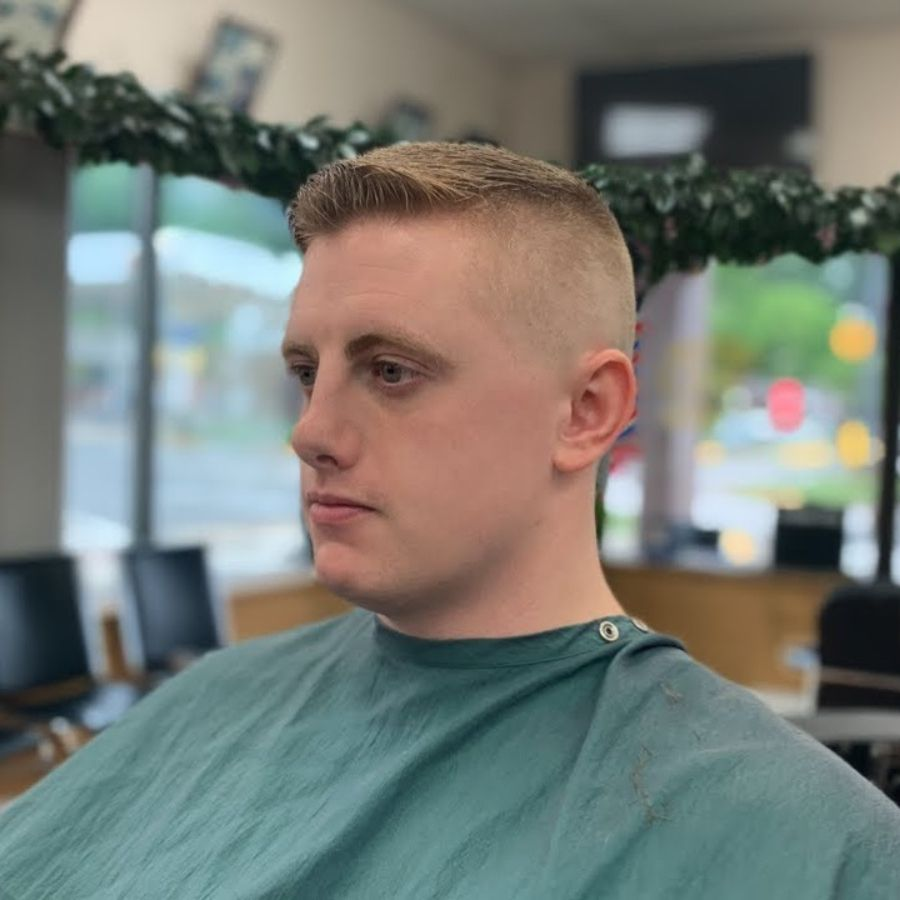
Not exactly. A fade is a cutting technique where hair gradually changes from short to longer. A high and tight is a full haircut style that often uses a high fade. So, every high and tight may include a fade, but not every fade is a high and tight.
8. Can I style it without products?
Yes, especially if the top is buzzed or very short. If the top is longer, a small amount of matte clay or cream can help control shape.
Expert Tips & Bonus Points
If you attend school, work in an office, or meet clients often, choose a clean top and softer edge. If your lifestyle is more casual, you can try a stronger fade or sharper lineup.
Pay attention to your beard. A high and tight with a beard can look excellent, but the transition should be blended. Ask your barber to fade the sideburn area into the beard for a smooth finish.
Matte clay works well for thick hair. Lightweight cream suits fine hair. Sea salt spray can help wavy hair look relaxed. Avoid heavy oils unless your hair or scalp truly needs moisture.
Think about your hairline before choosing a lineup. A sharp lineup can look fresh, but a natural hairline may grow out more softly. If your hairline is uneven, ask what will look best after one week.
Also, protect your scalp. Because the sides are short, sun exposure can be stronger. In hot weather, wear a cap outdoors or use scalp-safe sun protection when needed.
Take a photo after a haircut you like so the barber can repeat the same shape.
A final smart move is to review the haircut in normal lighting, not only under bright shop lights. Check the side profile, crown, neckline, and top balance before leaving. If something feels too heavy or uneven, ask for a small adjustment immediately. Small corrections are easier during the appointment than after you reach home. That habit keeps every future haircut more consistent and less stressful.
Conclusion
The modern high and tight haircut is a powerful choice for anyone who wants a clean, confident, and low-maintenance hairstyle. It combines short tight sides with a controlled top, creating a look that feels sharp without requiring a complicated routine. Whether you prefer a buzzed top, textured crop, short crew cut, or neat taper, this style can be adjusted to match your personality.
Choose the right fade height, top length, texture, neckline, and styling method before your barber starts cutting. A small detail can change the final look, so clear communication matters. Beginners should start with a balanced version, while more experienced style lovers can try bolder fades, sharper lineups, or stronger contrast.
This haircut is practical for busy routines, warm weather, active lifestyles, and professional settings when shaped correctly. However, it also needs regular trims and a barber who understands blending. If you maintain it well, the modern high and tight haircut can become your signature style: simple, fresh, and ready for almost any occasion.
