

introduction
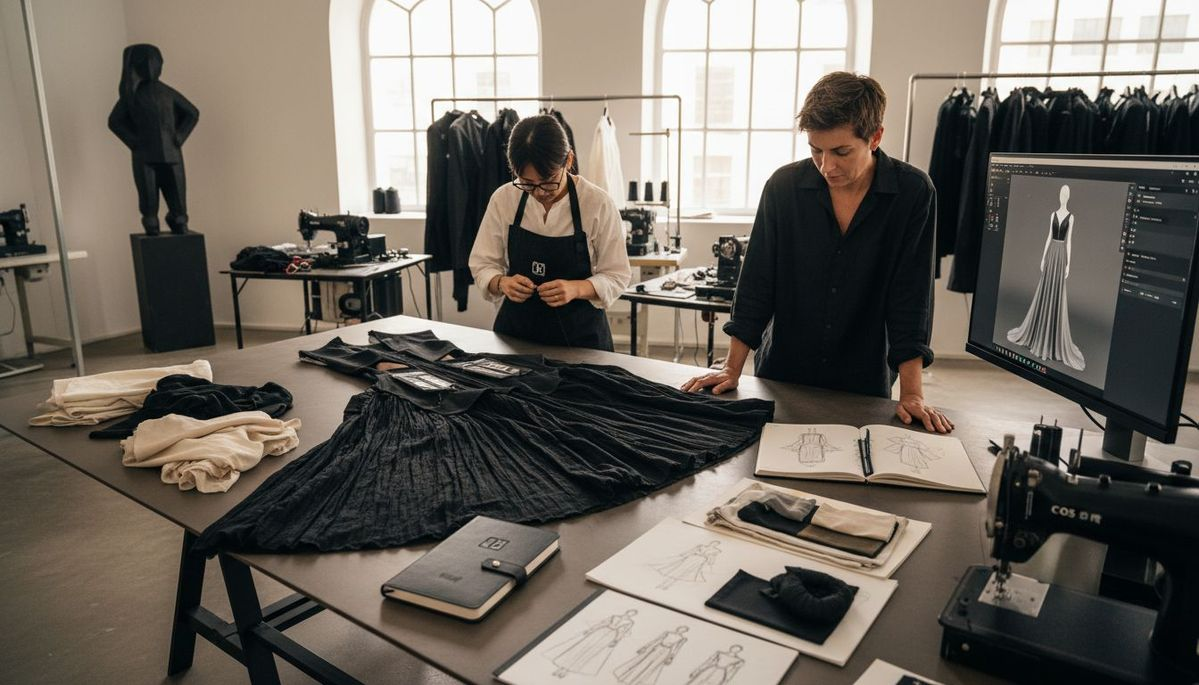
Fashion refers to the popular styles of clothing, footwear, accessories, makeup, and overall appearance that are widely accepted at a particular time. It changes constantly based on cultural shifts, seasonal trends, and global influences. Fashion is not limited to expensive brands or runway shows; it exists in everyday life, from school outfits to office wear and casual street styles. At its core, fashion is about expressing individuality while also adapting to social trends. It includes different categories such as casual fashion, formal fashion, street fashion, luxury fashion, and traditional fashion. Each category serves a different purpose and audience. Fashion also includes personal styling choices that reflect mood, personality, and comfort. Over time, fashion has become a global industry worth billions of dollars, influencing designers, influencers, and consumers worldwide. It connects creativity with business, making it both an art form and a commercial industry. Understanding fashion helps individuals make better clothing choices and develop a unique personal identity.
Why is Fashion Important?
Fashion plays a significant role in modern society because it affects how individuals are perceived by others. First impressions are often based on appearance, and fashion helps shape those impressions positively. Wearing appropriate and well-coordinated outfits can boost confidence and improve self-esteem. Fashion is also important because it reflects cultural identity and social values. Different regions have unique traditional clothing that represents their heritage and history. Additionally, fashion influences professional environments, where dress codes often impact credibility and professionalism. In the business world, appropriate fashion can enhance career opportunities and networking success. Another reason fashion is important is its connection to creativity. It allows individuals to experiment with colors, textures, and styles to create unique looks. Fashion also supports a massive global industry that provides employment to designers, models, marketers, and retailers. Without fashion, personal expression and cultural diversity in clothing would be limited. Therefore, fashion is not just about appearance but also about communication, identity, and economic growth.
Detailed Step-by-Step Guide to Understanding Fashion
Step 1: Identify Your Personal Style
The first step in understanding fashion is identifying your personal style. This involves observing what types of clothing make you feel comfortable and confident. Some people prefer casual wear, while others like formal or trendy outfits. Understanding your personality helps in selecting the right fashion direction.
Step 2: Study Current Trends
Fashion trends change frequently, so staying updated is important. You can follow fashion magazines, social media influencers, and runway shows to understand what is popular. However, it is important not to follow every trend blindly.
Step 3: Build a Basic Wardrobe
A strong wardrobe foundation includes essential clothing items like plain shirts, jeans, formal trousers, jackets, and neutral-colored shoes. These basics can be mixed and matched to create multiple outfits.
Step 4: Experiment with Outfits
Experimentation is a key part of fashion. Try different combinations of clothes, colors, and accessories. This helps you discover what suits you best and improves your styling skills.
Step 5: Focus on Fit and Comfort
No matter how stylish an outfit is, it should fit properly and feel comfortable. Poor-fitting clothes can ruin the overall look, even if they are expensive or trendy.
Step 6: Add Accessories
Accessories such as watches, belts, sunglasses, and bags enhance the overall appearance. They add detail and personality to simple outfits.
Step 7: Maintain Consistency
Consistency in fashion helps develop a recognizable personal style. Over time, people will associate you with a particular look or aesthetic.
Benefits of Fashion
- Improves personal confidence and self-esteem
- Enhances first impressions in social and professional settings
- Allows creative self-expression through clothing and style
- Reflects cultural identity and personal background
- Supports a global industry with millions of job opportunities
- Helps individuals stay updated with modern trends
- Encourages creativity and experimentation
- Improves communication through non-verbal appearance signals
Disadvantages / Risks of Fashion
- Can lead to overspending on unnecessary clothing items
- May create pressure to follow unrealistic trends
- Fast-changing trends can make outfits quickly outdated
- Overemphasis on appearance may reduce focus on personality
- Social comparison can lead to insecurity in some individuals
- Some fashion trends may be uncomfortable or impractical
- Environmental impact due to fast fashion production
Common Mistakes to Avoid in Fashion
One common mistake is blindly following every trend without considering personal style. Not all trends suit every individual, and forcing them can lead to poor appearance choices. Another mistake is ignoring comfort in favor of style. Fashion should always balance both. Many people also make the error of over-accessorizing, which can make outfits look cluttered. Wearing incorrect sizes is another major issue that affects overall appearance. Additionally, some individuals neglect wardrobe basics and focus only on trendy items, which limits outfit combinations. Poor color coordination is also a frequent mistake that can negatively affect style. Lastly, not maintaining clothing properly, such as ironing or cleaning, can reduce the impact of even the best outfits.
FAQs
1. What is the main purpose of fashion?
The main purpose of fashion is to express personality, improve appearance, and follow cultural or social trends. It also helps individuals feel confident and presentable in different environments.
2. Is fashion only about expensive clothes?
No, fashion is not limited to expensive clothing. It is about how you style and present yourself, regardless of price. Even simple outfits can look stylish with proper coordination.
3. How can I improve my fashion sense?
You can improve your fashion sense by observing trends, practicing outfit combinations, understanding your body type, and learning color coordination.
4. Why do fashion trends change so often?

Fashion trends change due to cultural influences, seasonal changes, celebrity impact, and evolving consumer preferences.
5. Can fashion affect confidence?
Yes, fashion can significantly impact confidence. Wearing well-fitted and stylish clothes can improve self-esteem and how you present yourself.
6. What is fast fashion?
Fast fashion refers to inexpensive clothing produced quickly to match current trends. While affordable, it can have environmental and ethical concerns.
Expert Tips & Bonus Points
Experts suggest focusing on timeless fashion pieces rather than only trend-based items. Neutral colors like black, white, navy, and beige are highly versatile and easy to style. Investing in quality clothing instead of quantity helps build a long-lasting wardrobe. Another important tip is to understand your body shape and choose outfits that enhance your natural features. Keeping your wardrobe organized also improves outfit selection and saves time. Fashion experts also recommend developing a signature style that makes you recognizable. Additionally, balancing comfort with style ensures that you not only look good but also feel good throughout the day. Accessories should be used strategically to enhance outfits without overpowering them. Finally, confidence is the most important part of fashion; even the simplest outfit can look impressive when worn with confidence.
Conclusion
Fashion is a dynamic and powerful form of expression that influences everyday life in many ways. It is not just about clothing but about identity, culture, confidence, and creativity. Understanding fashion helps individuals make better choices in their personal and professional lives. From learning how to build a wardrobe to understanding trends and avoiding common mistakes, fashion offers endless opportunities for growth and self-improvement. While trends will continue to change, personal style remains timeless and unique to every individual. Fashion also plays a major role in global industries, supporting millions of jobs and contributing to economic growth. However, it is important to balance style with comfort, practicality, and sustainability. By following expert tips and staying aware of your personal preferences, you can develop a strong fashion sense that enhances your personality. Ultimately, fashion should be seen as a tool for self-expression rather than pressure, allowing everyone to present their best version confidently in any situation.
