

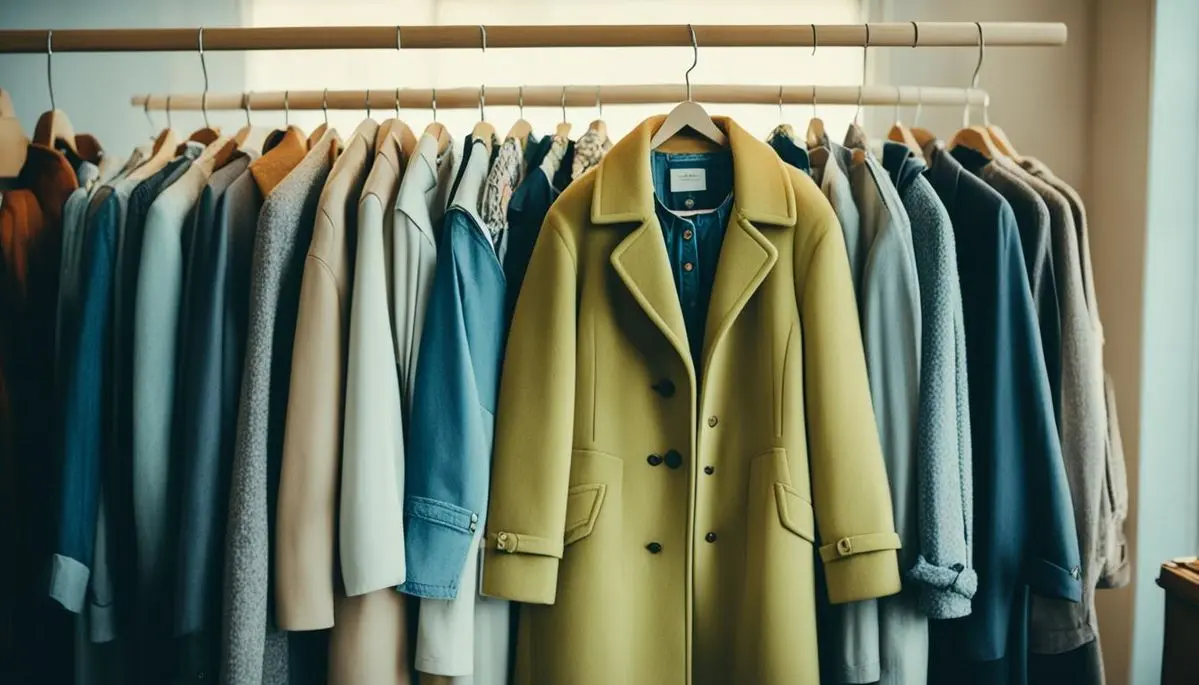
Introduction
Fashion has always been a powerful way for people to express personality, culture, and creativity. However, the modern fashion industry also creates serious environmental and social problems. Fast fashion encourages excessive shopping, low-quality clothing production, and waste that harms the planet. Because of these concerns, many consumers are now turning toward sustainable fashion brands for better choices.
Sustainable fashion brands focus on ethical manufacturing, eco-friendly materials, fair labor conditions, and responsible production methods. Instead of producing cheap clothes designed to last only a short time, these brands aim to create durable, stylish, and environmentally friendly products. As awareness grows, more shoppers want clothing that looks good while also supporting people and protecting natural resources.
Today, sustainable fashion brands are becoming more accessible for beginners and experienced fashion lovers alike. Many companies now use recycled fabrics, organic cotton, plant-based dyes, and carbon reduction strategies. At the same time, they maintain modern designs that fit current fashion trends. This makes ethical fashion more practical and appealing than ever before.
What is Sustainable Fashion Brands?
Sustainable fashion brands are clothing companies that focus on reducing environmental damage and improving ethical practices throughout the production process. These brands aim to create fashion products that are environmentally responsible, socially fair, and economically sustainable.
Unlike fast fashion companies that prioritize low prices and rapid production, sustainable fashion brands focus on quality, durability, and transparency. They carefully select materials, reduce pollution, and ensure workers receive fair treatment and safe working conditions.
Sustainable fashion usually includes several important practices:
- Using organic or recycled fabrics
- Reducing water and energy consumption
- Limiting textile waste
- Avoiding harmful chemicals
- Supporting ethical labor practices
- Encouraging recycling and reusing clothing
Many sustainable fashion brands also promote slow fashion. Slow fashion encourages consumers to buy fewer but higher-quality clothing items that last longer. This approach reduces unnecessary consumption and decreases the amount of clothing sent to landfills each year.
Popular examples include brands that use biodegradable fabrics, ethical factories, and environmentally friendly packaging. Some companies even offer clothing repair services or recycling programs to extend product life cycles.
Why is Sustainable Fashion Brands Important?

The importance of sustainable fashion brands continues to grow because the global fashion industry has a major impact on the environment and society. Traditional fashion production contributes to pollution, waste, and poor labor conditions in many parts of the world.
One major issue is textile waste. Millions of tons of clothing are discarded every year, much of which ends up in landfills. Fast fashion trends encourage people to buy more clothing than they actually need, leading to excessive consumption.
Water pollution is another serious concern. Many factories use toxic dyes and chemicals that contaminate rivers and ecosystems. Sustainable fashion brands work to reduce these harmful effects by using safer production methods and eco-friendly materials.
Ethical labor is also a key reason why sustainable fashion matters. Some clothing factories exploit workers with low wages, unsafe environments, and long working hours. Ethical brands focus on fair wages, worker safety, and responsible manufacturing standards.
Sustainable fashion brands are important because they:
- Reduce environmental pollution
- Encourage responsible shopping habits
- Support ethical working conditions
- Promote long-lasting clothing
- Help conserve natural resources
- Reduce carbon emissions
As consumers become more informed, many now prefer supporting businesses that align with their personal values. Sustainable fashion allows shoppers to combine style with responsibility.
Detailed Step-by-Step Guide
Understand Your Fashion Needs
Before buying clothing, identify your actual wardrobe needs. Many people purchase unnecessary items because of temporary trends or impulse shopping. Start by reviewing your current wardrobe and deciding which items you truly use.
Focus on clothing categories such as:
- Everyday essentials
- Workwear
- Seasonal outfits
- Special occasion clothing
- Comfortable basics
This approach prevents unnecessary purchases and helps you build a practical wardrobe.
Research Sustainable Fashion Brands
Not all brands that claim to be sustainable are genuinely ethical. Some companies use misleading marketing tactics known as greenwashing. Research each brand carefully before purchasing products.
Look for information about:
- Material sourcing
- Manufacturing practices
- Labor policies
- Sustainability certifications
- Recycling programs
Transparency is usually a positive sign. Brands that openly share details about their production process are often more trustworthy.
Learn About Sustainable Materials
Understanding fabric types can help consumers make better choices. Sustainable fashion brands commonly use eco-friendly materials designed to reduce environmental harm.
Popular sustainable fabrics include:
- Organic cotton
- Hemp
- Linen
- Bamboo fabric
- Recycled polyester
- Tencel
- Recycled wool
Organic cotton uses less harmful chemicals, while recycled materials reduce waste by reusing existing resources.
Choose Quality Over Quantity
One important principle of sustainable fashion is buying fewer but better products. High-quality clothing often lasts longer, saving money over time and reducing waste.
When shopping, examine:
- Fabric durability
- Stitching quality
- Fit and comfort
- Washing instructions
- Brand reputation
Investing in durable pieces reduces the need for frequent replacements.
Support Ethical Manufacturing
Sustainable fashion brands often work with factories that provide fair wages and safe working conditions. Ethical manufacturing improves worker welfare and encourages responsible business practices.
Consumers can support ethical fashion by purchasing from companies that prioritize:
- Fair labor policies
- Safe workplaces
- Gender equality
- Community development
- Responsible sourcing
Supporting ethical brands encourages positive industry change.
Build a Capsule Wardrobe
A capsule wardrobe contains versatile clothing items that can be mixed and matched easily. This strategy reduces unnecessary purchases and simplifies daily outfit planning.
A basic capsule wardrobe may include:
- Neutral shirts
- Comfortable jeans
- Quality jackets
- Versatile shoes
- Timeless accessories
This approach supports sustainable fashion while maintaining personal style.
Care for Clothes Properly
Proper clothing care extends garment lifespan and reduces waste. Sustainable fashion brands encourage consumers to maintain products carefully.
Helpful clothing care tips include:
- Washing clothes in cold water
- Air drying when possible
- Avoiding excessive ironing
- Repairing damaged items
- Storing garments properly
Simple maintenance habits can significantly increase clothing durability.
Buy Secondhand Fashion
Secondhand shopping supports sustainability by extending the life of existing clothing. Many consumers now purchase vintage or pre-owned fashion items to reduce environmental impact.
Benefits of secondhand shopping include:
- Lower costs
- Unique styles
- Reduced textile waste
- Less demand for new production
Thrift stores and resale platforms have made secondhand fashion more popular and accessible.
Benefits of Sustainable Fashion Brands
Sustainable fashion brands offer several important advantages for consumers, workers, and the environment.
- Reduces environmental pollution
- Encourages ethical labor practices
- Supports long-lasting clothing quality
- Minimizes textile waste
- Conserves water and energy
- Promotes healthier production methods
- Encourages mindful shopping habits
- Reduces harmful chemical exposure
- Supports responsible business practices
- Creates timeless fashion styles
Many consumers also find that sustainable clothing feels more comfortable because eco-friendly fabrics are often softer and better made.
Disadvantages / Risks
Although sustainable fashion brands provide many benefits, there are also some challenges and limitations consumers should consider.
- Products may cost more initially
- Limited availability in some regions
- Smaller product selections
- Some brands exaggerate sustainability claims
- Certain eco-friendly fabrics require special care
- Ethical products may take longer to ship
- Consumers may struggle to verify certifications
Higher prices are one of the most common concerns. However, many sustainable products last longer, which can offset the initial cost over time.
Common Mistakes to Avoid
Many beginners make avoidable mistakes when exploring sustainable fashion brands. Understanding these mistakes can help consumers shop more effectively.
Falling for Greenwashing
Some companies advertise themselves as sustainable without following ethical practices. Always research brand transparency before making purchases.
Buying Too Much at Once
Switching to sustainable fashion does not mean replacing an entire wardrobe immediately. Gradual changes are more affordable and practical.
Ignoring Clothing Quality
Some consumers focus only on eco-friendly labels while ignoring product durability. Quality remains an essential part of sustainability.
Following Every Trend
Trend-driven shopping increases unnecessary consumption. Focus on timeless clothing pieces that remain useful for years.
Neglecting Clothing Care
Even sustainable clothing creates waste if not maintained properly. Wash and store garments carefully to maximize lifespan.
Overlooking Secondhand Options
Many shoppers forget that buying used clothing is one of the most sustainable choices available.
FAQs
What makes sustainable fashion brands different from fast fashion?
Sustainable fashion brands focus on ethical production, quality materials, and environmental responsibility. Fast fashion prioritizes low costs and rapid production, often leading to waste and poor labor conditions.
Are sustainable fashion brands expensive?
Some sustainable products cost more initially because they use higher-quality materials and ethical manufacturing methods. However, these products usually last longer, making them more cost-effective over time.
How can I identify genuine sustainable fashion brands?
Research company transparency, sustainability certifications, labor policies, and material sourcing. Brands that openly share detailed information are generally more trustworthy.
Is buying secondhand clothing considered sustainable?
Yes. Purchasing secondhand clothing extends garment life cycles and reduces demand for new production, making it an environmentally friendly option.
Which materials are best for sustainable clothing?
Organic cotton, hemp, linen, recycled polyester, Tencel, and recycled wool are commonly considered sustainable materials due to their lower environmental impact.
Can sustainable fashion still be stylish?
Absolutely. Modern sustainable fashion brands offer trendy, minimalist, casual, and luxury designs suitable for different personal styles and fashion preferences.
Why is slow fashion important?
Slow fashion encourages consumers to buy fewer, higher-quality items that last longer. This reduces waste and supports responsible consumption habits.
Expert Tips & Bonus Points
Building a sustainable wardrobe becomes easier with smart strategies and realistic goals. Experts recommend starting with small changes rather than attempting a complete lifestyle transformation immediately.
Important expert tips include:
- Buy timeless basics before trendy items
- Focus on neutral colors for versatility
- Support local fashion businesses when possible
- Learn simple clothing repair skills
- Avoid impulse shopping
- Read clothing labels carefully
- Wash garments less frequently when appropriate
- Choose versatile clothing pieces
- Donate unused clothing responsibly
- Prioritize quality over brand popularity
Another useful strategy is creating a shopping list before purchasing clothes. This reduces emotional spending and encourages intentional buying habits.
Consumers should also remember that sustainability is a long-term journey. No wardrobe becomes perfectly sustainable overnight. Small improvements can still create meaningful environmental and social benefits over time.
Following fashion influencers who promote ethical styling can also provide inspiration for building eco-friendly outfits without sacrificing creativity or personal expression.
Conclusion
Sustainable fashion brands are changing the way people think about clothing, shopping, and personal responsibility. As environmental concerns continue to grow, more consumers are recognizing the importance of ethical production, eco-friendly materials, and mindful purchasing decisions. Sustainable fashion provides an opportunity to support businesses that care about both people and the planet.
Unlike fast fashion, sustainable fashion brands focus on quality, durability, and transparency. They encourage shoppers to buy fewer but better products while reducing waste and harmful environmental impact. From organic fabrics to fair labor practices, these brands help create a healthier and more responsible fashion industry.
Although sustainable clothing can sometimes cost more initially, the long-term value often makes the investment worthwhile. Durable garments reduce replacement costs and promote smarter consumption habits. In addition, secondhand shopping, capsule wardrobes, and proper clothing care make sustainable fashion accessible for different budgets and lifestyles.
